Kids in Sport
⚽ Kids in Sport: How Much Is Too Much?
A Guide to Managing Training Loads for Children and Teens, Without Burning Them Out
Injury Prevention Pros, Junior Athlete Supporters, and Champions of Healthy Movement
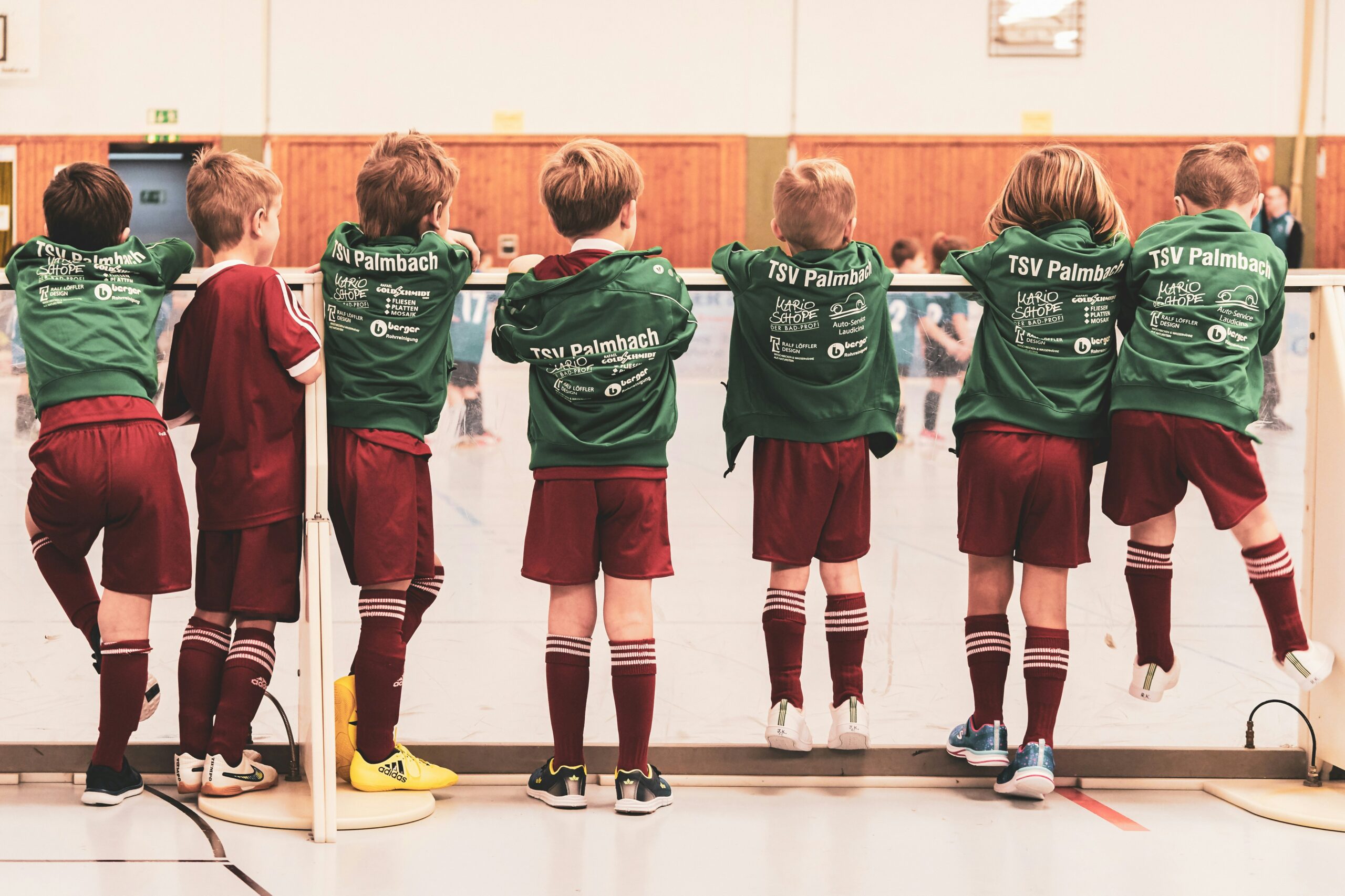
In today’s world of back-to-back training sessions, weekend tournaments, rep teams, and early talent pathways, it’s easy for kids in sport to go from active and thriving to exhausted and injured before they even hit high school.
And as parents, coaches, and clinicians, we often find ourselves asking: “How much sport is too much for a growing body ?”
Spoiler alert: there’s no one-size-fits-all answer. But there are clear signs, research-based guidelines, and simple ways to help young athletes stay active, healthy, and injury-free without burning out.
🧠 First, Why Training Load Matters for Kids and Teens
Children and adolescents aren’t just “mini adults.” Their bones, muscles, tendons, and brains are still developing, and they respond differently to training stress.
Too much load (especially without adequate rest) increases the risk of:
❌ Overuse injuries
❌ Growth plate injuries (like Osgood-Schlatter’s or Sever’s disease)
❌ Stress fractures
❌ Mental burnout or loss of motivation
❌ Sleep disturbances and mood changes
And that’s before we even talk about school, social pressure, and screen time fatigue.
📊 What the Research Says: Red Flags for “Too Much”
Leading sports and exercise medicine bodies (including the AIS, AAP, and IOC) suggest:
✅ No more than 8–10 hours of structured sport per week for primary school-aged kids.
✅ No more than 1.5x their age in weekly training hours for teens.
✅ One sport per season is ideal (especially for under-12s), to reduce overuse risk.
✅ At least 1–2 rest days per week, and full breaks during the year.
So, a 12-year-old training 18+ hours a week across multiple sports? 🚨 That’s a load management conversation waiting to happen.
🩹 Most Common Injuries We See in Kids Doing Too Much Sport
At our clinic, we regularly treat young athletes with:
-
Osgood-Schlatter’s Disease (knee pain during growth spurts)
-
Sever’s Disease (heel pain in active kids, especially soccer and footy players)
-
Stress fractures (often in the shin or foot)
-
Rotator cuff or labral issues (especially in swimmers and throwers)
-
Lower back pain (from hyperextension or overuse in gymnastics or dance)
These are usually preventable but they’re often a sign that training volume is outweighing recovery.
⏸️ What Burnout Looks Like (And Why It’s Not Just Physical)
Burnout isn’t just about physical injury. It’s also emotional and mental.
Watch for signs like:
-
Reduced enjoyment in sport
-
Increased irritability or mood swings
-
Poor sleep or fatigue
-
Increased injuries or niggles that never fully heal
-
Anxiety or performance pressure (especially in older kids)
It’s okay (and healthy) for kids to take a break, play socially, or try different activities throughout the year.
✅ How to Support Healthy, Resilient Young Athletes
Here’s how parents, coaches, and clinicians can help:
1. Balance Training & Recovery
-
Prioritise rest days and adequate sleep (9–11 hours for most kids!)
-
Don’t stack games and training across multiple teams in one week
2. Encourage Multi-Sport Play (Especially Under 12s)
-
Early specialisation increases injury and burnout risk
-
Varied movement builds coordination, strength, and resilience
3. Watch Growth Spurts
-
Kids going through rapid growth are more vulnerable to overuse injuries
-
Adjust load, reduce impact, and monitor symptoms closely during this time
4. Listen to the Niggles
-
Aches and pains that “come and go” are worth checking
-
Early physio or EP support = faster recovery and better outcomes
5. Make It Fun, Not Just Competitive
-
Sport should feel good. Support a love of movement, not just performance.
-
Kids will play longer (and safer) when they enjoy what they’re doing.
👩⚕️ Our Role as Physios and Exercise Physiologists
We work closely with kids, parents, and coaches to:
-
Assess training load and injury risk
-
Build age-appropriate strength and conditioning plans
-
Rehab injuries while keeping kids active in safe ways
-
Educate families on how to balance sport with recovery and development
Whether your child is in a high-performance pathway or just loves playing sport, we’re here to help them move well, play strong, and stay in the game for the long run.
🗓️ Concerned About Overtraining or Injury ?
We offer:
-
Youth injury assessments
-
Load management plans
-
Tailored strength and mobility programs for kids and teens
-
Return-to-sport guidance after injury
📞 Book a session today or contact us to discuss your child’s training load and wellbeing. More sport isn’t always better. Smart sport, strong, happy, and injury-free kids. Let’s raise a generation of athletes who love what they do and can keep doing it, long after their junior jersey days.
Yours in healthy movement,
Get the best support and guidance and reach out to Pivotal Motion Physiotherapy, we’re here to help you feel your best and movement with confidence. Get in touch with us today, and our team will be able to discuss with you in more depth on how we can help you. Book online or call us on 3352 5116.